

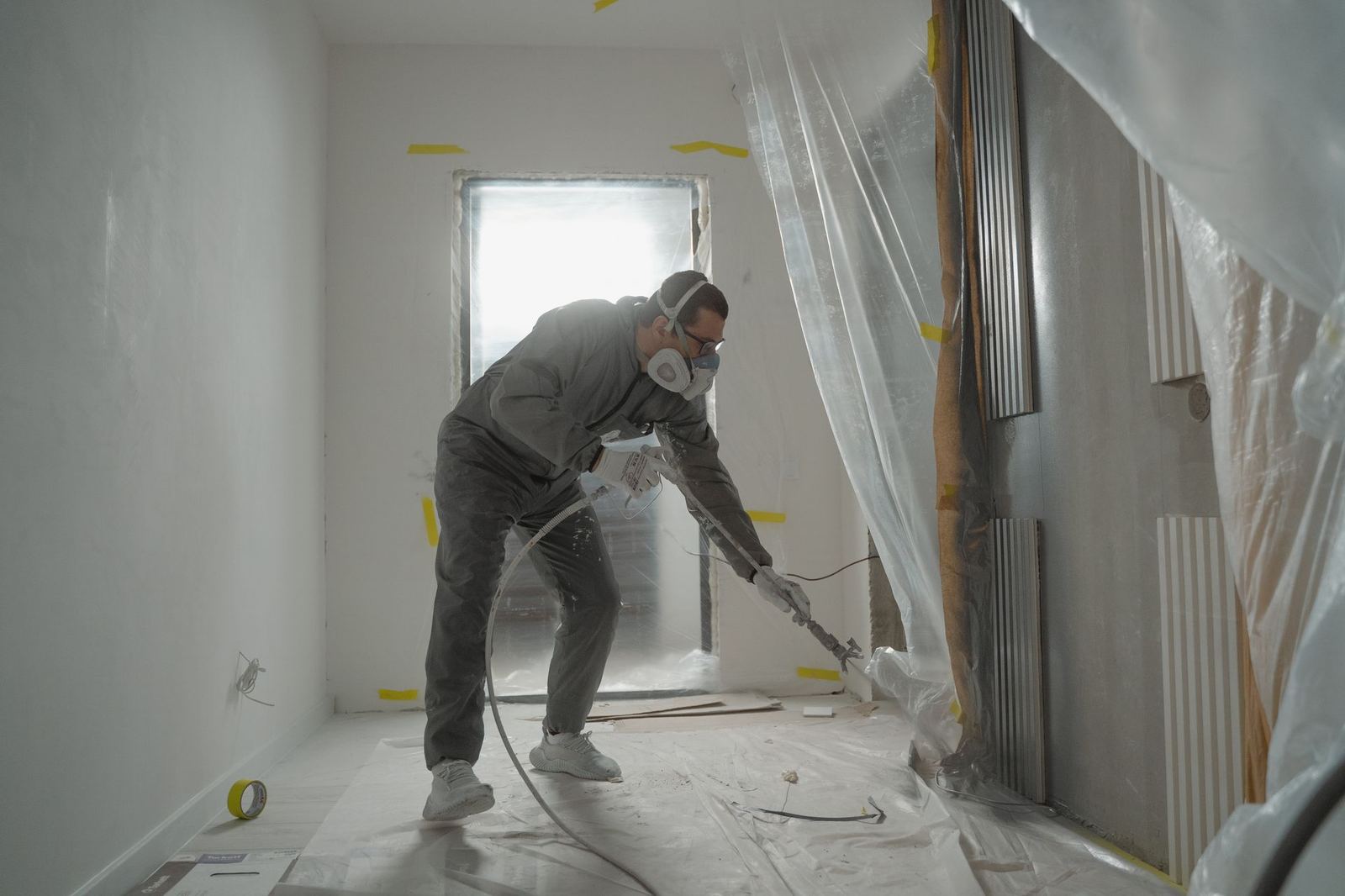
A clean handover without damaging surfaces, with the right order and the right product.
Post-construction or renovation cleaning is different from ordinary cleaning: it is not just dust but paint, silicone, cement, mortar and adhesive residues. The wrong method can permanently damage surfaces. Here is the right order in eight steps.
1. Rubble and large waste
First packaging, leftover materials and rubble are collected. This stage lets the fine cleaning start on a clean floor.
2. Dusting from top to bottom
Ceilings, light fittings, tops of cupboards, window edges and skirting boards are cleaned dry with industrial vacuums. Starting with a wet cloth sticks the dust to surfaces.
3. Scraping
Paint splashes, silicone and cement marks are scraped from glass, tiles and fittings with special scrapers. On ceramic and marble plastic or soft metal tips are used to prevent scratches.
4. Chemical dissolving
Acid-based solvents are used for cement and limescale residues and solvent-based products for paint. Products must be chosen to suit the surface and ventilation provided; acid is not used on marble and natural stone.
5. Tiles, bathroom and kitchen
Mortar residues are cleaned from fittings, basins, toilets and kitchen worktops, and grout lines are opened with steam.
6. Glass and frames
Glass is scraped, wiped and polished with water-purification poles; PVC and aluminium frames are degreased.
7. Floor washing and polishing
The floor is washed with a single-disc machine; polish is applied to parquet and a protector to ceramic.
8. Final check and inspection by light
Surfaces are checked with daylight and a torch; the team leader and customer sign the checklist together.
This process can take from about 4 hours with a team of 3 up to two days for a 100 m² flat, that is 12 labour hours. In our packages you can follow the process on the My Account page.
Common mistakes
- Wiping glass with a dry cloth: cement dust scratches glass; it is first soaked with plenty of water.
- Pouring water on parquet: wood swells; only a damp cloth is used.
- Using acid: acid harms grout lines and fittings; dilution and product choice require expertise.
- Cleaning before the renovation ends: it should be done after all paint and flooring work, otherwise the process is repeated.
When to get professional help?
For scraping without damaging the surface, dissolving heavy cement stains and large glass surfaces, a professional team is advantageous for both time and surface safety. For a 100 m² flat a team of 3 completes rough and fine cleaning in a day and the finishing touch on the second.